
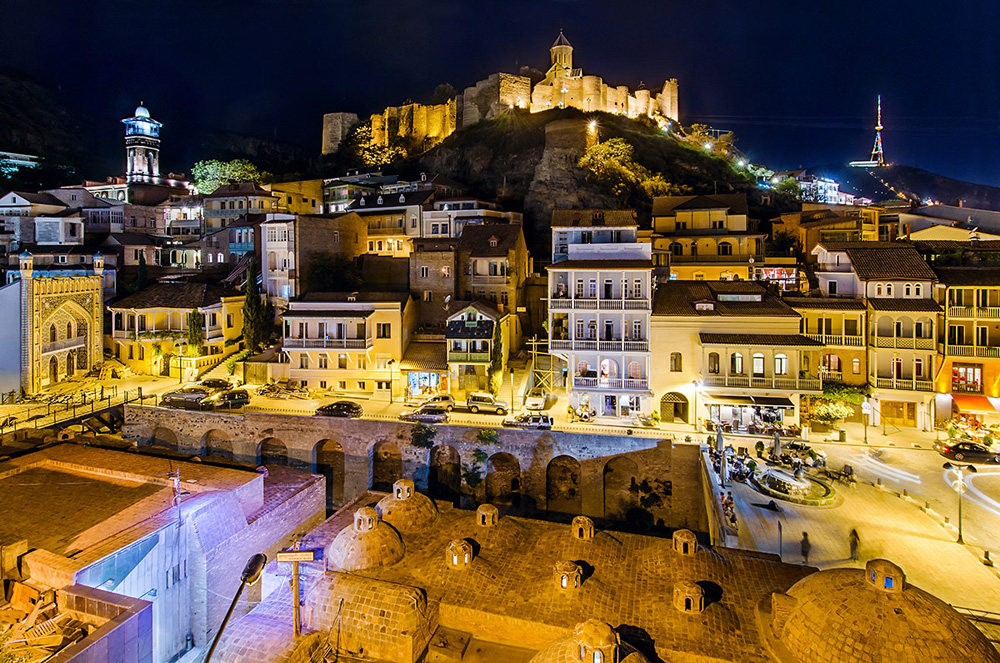

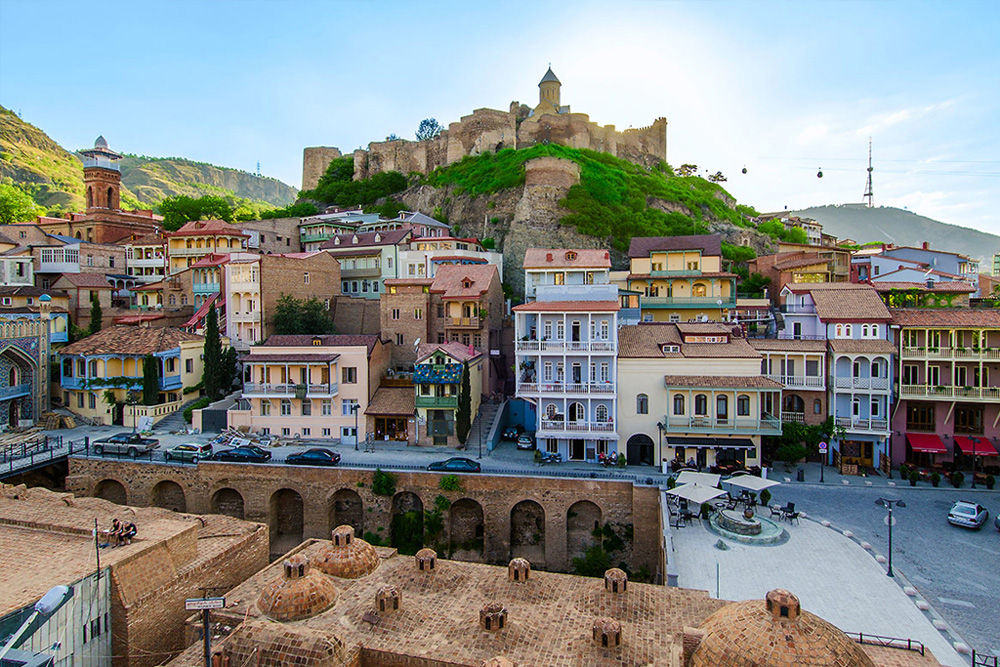
Narikala Fortress
Narikala Fortress in Tbilisi: History and Visitor Guide
Narikala Fortress is one of the oldest and most recognisable landmarks in Tbilisi. Its weathered walls rise above Old Tbilisi, the Abanotubani sulfur baths and the National Botanical Garden, forming one of the Georgian capital’s most distinctive views.
The fortress has guarded this strategic hill for more than 1,600 years. Although much of Narikala survives as ruins, its location, history and panoramic setting make it an essential part of Tbilisi’s identity.
Important 2026 Closure Update
Narikala Fortress is currently closed to visitors while restoration and safety work continues. Access to the interior, fortress walls and areas inside the complex is restricted.
Earlier completion dates announced during the restoration project have passed. As of this August 2026 update, no new official reopening date has been confirmed.
Do not attempt to pass construction fences or enter restricted areas, even if older travel guides describe the fortress as open 24 hours.
Narikala Hill is not completely inaccessible. The Rike–Narikala Cable Car, the Mother of Georgia, nearby panoramic viewpoints and the National Botanical Garden of Georgia generally remain accessible.
However, barriers and walking routes around the fortress may change as the work progresses. Always follow the signs and instructions displayed on the hill.
Is Narikala Still Worth Visiting During the Closure?
Yes, provided that you understand that you cannot currently enter the fortress itself.
The cable-car ride and the surrounding ridge still offer excellent views over Old Tbilisi, the Mtkvari River, Metekhi Church, Rike Park, the Bridge of Peace and the city’s historic neighbourhoods.
Visitors can also walk to the Mother of Georgia monument or continue towards the Botanical Garden. From below, Narikala’s walls remain one of the most impressive features of the Tbilisi skyline.
If your main goal is to walk inside the fortress, climb its walls or visit St Nicholas Church, you should wait until an official reopening is announced.
A Brief History of Narikala Fortress
The history of Narikala is closely connected with the history of Tbilisi itself.
Historical sources mention a fortress on this hill from the late fourth century. Over the following centuries, the stronghold was repeatedly captured, expanded, damaged and rebuilt as control of Tbilisi passed between Georgian rulers and different regional powers.
The fortress was known by several names, including Kala, Shuris-tsikhe and Tbilisi Fortress. The name Narikala became common during the medieval period.
Arab rulers significantly expanded the fortifications, while further construction took place during the reign of King David the Builder, who recaptured Tbilisi in 1122 and made it the capital of the united Georgian kingdom.
The walls visible today do not belong to one single period. They represent multiple phases of construction and reconstruction, particularly from the medieval and later centuries. This layered appearance reflects Tbilisi’s long history of invasions, destruction and renewal.
In 1827, a major explosion in a gunpowder store severely damaged the fortress and the original St Nicholas Church. Narikala gradually lost its military role, but its ruins remained one of the city’s most important historic landmarks.
More historical background is available on Georgia’s official tourism portal.
St Nicholas Church
The original St Nicholas Church inside Narikala Fortress was built in the 13th century. During the Russian Imperial period, the building was used as a munitions store and was almost completely destroyed by the 1827 explosion.
The present church was reconstructed in 1996–1997 on the site of the medieval building. Its interior contains frescoes depicting biblical scenes and episodes from Georgian history.
Because the church stands inside the fortress complex, visitors should consider it inaccessible while the fortress remains closed for restoration.
What Is Included in the Restoration?
The current restoration project is intended to stabilise and rehabilitate Narikala’s historic structures while making the site safer for visitors.
The announced work includes:
- rehabilitation and reconstruction of sections of the main fortress wall;
- improvements to the courtyard and surrounding territory;
- safer pedestrian paths and future tourist routes;
- surface and landscaping work;
- artistic and decorative lighting.
Because Narikala is a protected cultural heritage monument, the work must balance structural safety with the preservation of its historic character.
How to Reach Narikala Hill
By Cable Car
The easiest and most scenic option is the Tbilisi Cable Car, which travels from Rike Park to the upper station on Narikala Hill.
The ride takes only a few minutes and provides panoramic views of the Mtkvari River and Old Tbilisi. From the upper station, you can walk to the Mother of Georgia and other accessible viewpoints.
The cable car normally continues operating even while the fortress is closed. Nevertheless, its schedule can change because of weather, maintenance or seasonal operating hours.
On Foot from Old Tbilisi
It is possible to walk uphill from Abanotubani and the Tbilisi Sulfur Baths. This route is steep and may be affected by temporary construction barriers.
Another scenic approach passes through the historic Betlemi neighbourhood and continues towards the Mother of Georgia. Wear comfortable shoes, carry water during hot weather and follow the current signs rather than relying on older online maps.
By Taxi
A taxi can take you close to the Mother of Georgia area, although vehicle access may be limited during restoration. Enter “Mother of Georgia” as the destination and expect to complete the final section on foot.
Suggested Route During the Restoration
A convenient sightseeing route is:
- Start at the Bridge of Peace.
- Walk through Rike Park.
- Take the cable car to Narikala Hill.
- Enjoy the accessible panoramic viewpoints.
- Walk to the Mother of Georgia monument.
- Either return by cable car or continue to the upper entrance of the Botanical Garden if that route is open.
- Finish in Abanotubani and explore the Sulfur Baths and Leghvtakhevi Gorge.
This route still provides a memorable Narikala Hill experience without entering the closed fortress.
If you do not want to walk through the Botanical Garden, return by cable car. Do not assume that the former downhill route through or beside the fortress is accessible during construction.
Discover Narikala’s Story with a Local Guide
Travellers who want to understand Narikala in the wider story of the Georgian capital can join the Old Tbilisi Free Tour operated by Tbilisi Free Walking Tours.
The tour does not climb to or enter Narikala Fortress. Instead, local guides discuss its history and significance while exploring Old Tbilisi. The route includes historic streets, traditional courtyards, the Clock Tower, Bridge of Peace and Abanotubani, finishing near the Sulfur Baths below the fortress.
This makes it easy to explore Narikala Hill independently before or after the walking tour.
Best Places to See and Photograph Narikala
During the closure, some of the best views of the fortress are from outside the complex.
Good photography locations include:
- Metekhi Bridge and the area around Metekhi Church;
- Abanotubani and the sulfur-bath district;
- the Bridge of Peace;
- Rike Park;
- the Mother of Georgia pathway;
- Tabor Monastery viewpoint on the opposite side of the valley.
Late afternoon provides softer light on the walls, while Narikala’s decorative illumination makes it especially impressive after sunset.
Practical Information
Current status: Temporarily closed for restoration
Reopening date: Not officially confirmed
Fortress entrance: Not permitted during the closure
Usual admission: Narikala was traditionally free to enter
Cable car: Generally operating separately from the fortress
Recommended time for the surrounding hill: 30–60 minutes
Best time to visit: Morning or late afternoon
Terrain: Steep, uneven and potentially slippery after rain
Accessibility: Limited outside the cable-car stations because of slopes, steps and uneven paths
The Botanical Garden and cable car have their own tickets and operating schedules.
Attractions Near Narikala Fortress
Narikala Hill can easily be combined with:
- Mother of Georgia;
- National Botanical Garden of Georgia;
- Tbilisi Sulfur Baths;
- Leghvtakhevi Waterfall;
- Jumah Mosque;
- Meidan Square;
- Metekhi Church;
- Rike Park;
- Bridge of Peace.
FAQ
Is Narikala Fortress open now?
No. As of August 2026, Narikala Fortress remains closed to visitors because of ongoing restoration and safety work.
When will Narikala Fortress reopen?
No new confirmed reopening date has been officially announced. Previously projected completion dates have passed, so visitors should not rely on older dates found online.
Can I take the cable car to Narikala?
Yes, the Rike–Narikala Cable Car generally continues to operate. It takes visitors to Narikala Hill, close to the Mother of Georgia and panoramic viewpoints, but it does not provide access to the closed fortress.
Can I visit the Mother of Georgia?
Yes. The Mother of Georgia monument remains accessible, although paths and approaches may change during the restoration project.
Can I enter St Nicholas Church?
The church is located inside the fortress complex and should be considered inaccessible while the fortress remains closed.
Is Narikala Fortress free?
Before the closure, entrance to the fortress was free. There is currently no public entry. The cable car and Botanical Garden charge separate fees.
Can I still see Narikala from Old Tbilisi?
Yes. The fortress is clearly visible from Abanotubani, Metekhi Bridge, Rike Park, the Bridge of Peace and many other locations around Old Tbilisi.
How much time should I allow?
Allow approximately 30–60 minutes for the cable-car ride, accessible viewpoints and the Mother of Georgia. Add at least two hours if you also plan to visit the Botanical Garden.
