Sulfur Baths
Tbilisi Sulfur Baths: Complete Guide to Abanotubani
The Tbilisi sulfur baths are among the city’s most distinctive cultural experiences. Located in Abanotubani, in the heart of Old Tbilisi, these historic bathhouses are supplied by naturally hot, sulfur-rich water rising from underground springs.
Visitors can choose between simple public baths, comfortable private rooms and luxurious spa-style apartments. A traditional visit may also include a vigorous body scrub known as a kisa, followed by a soap massage.
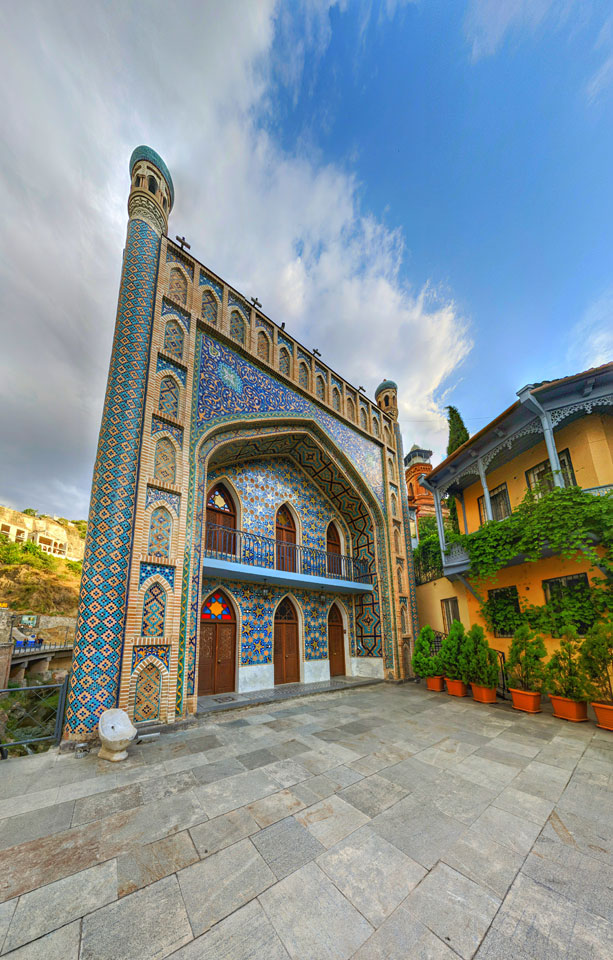
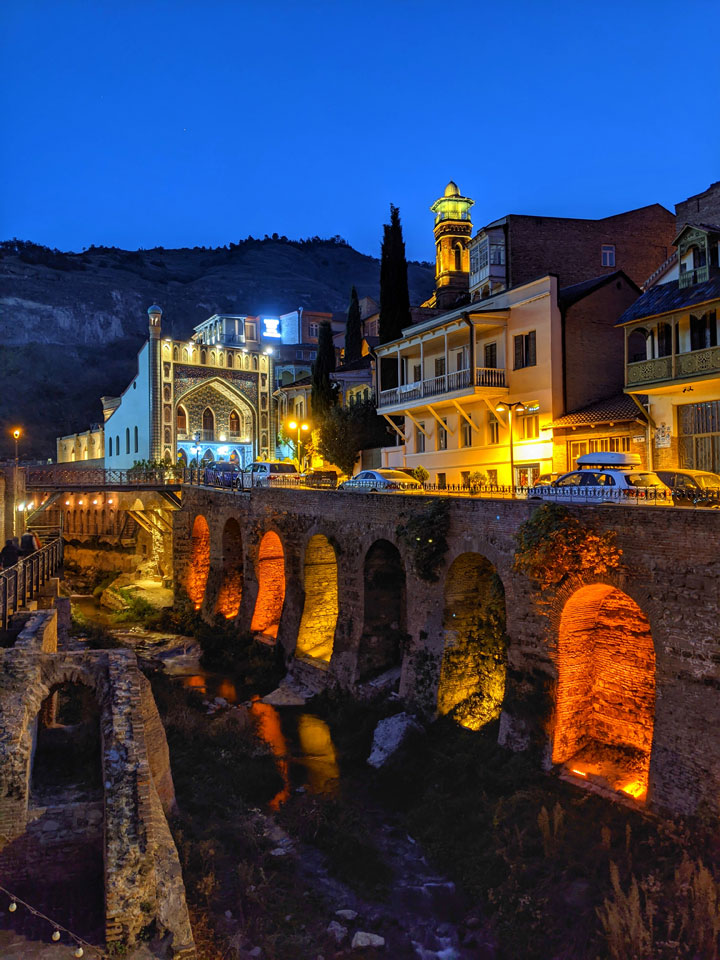
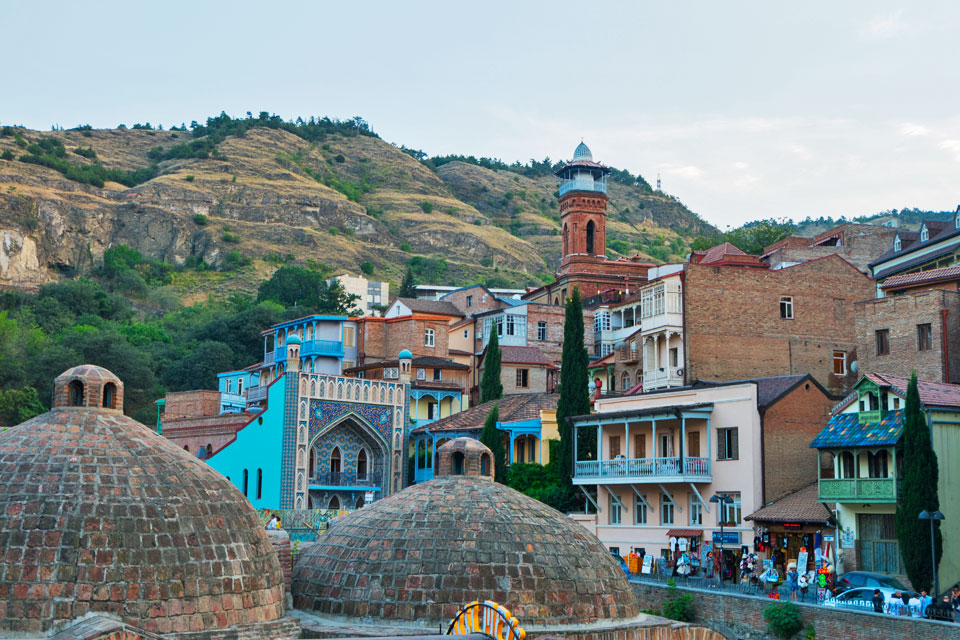
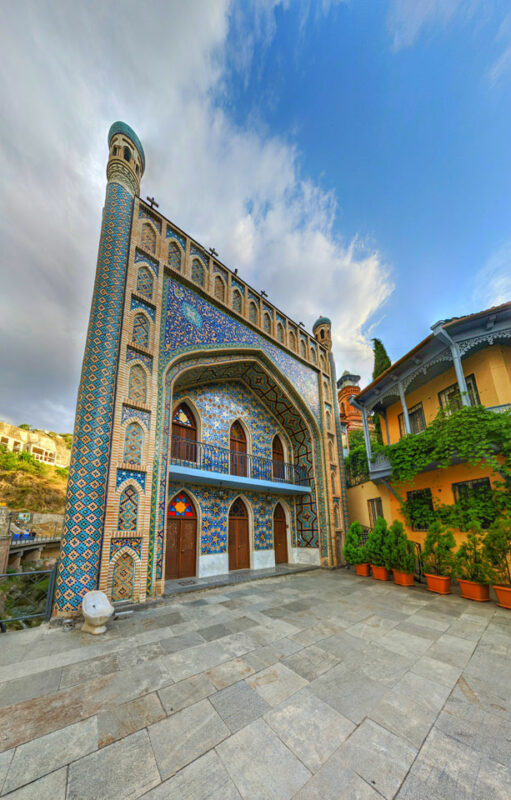
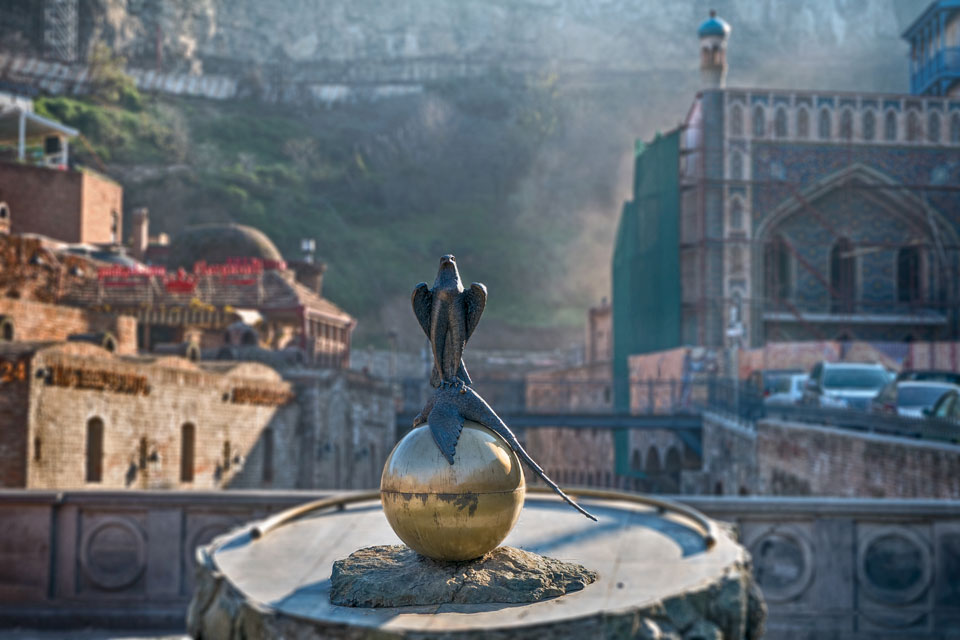
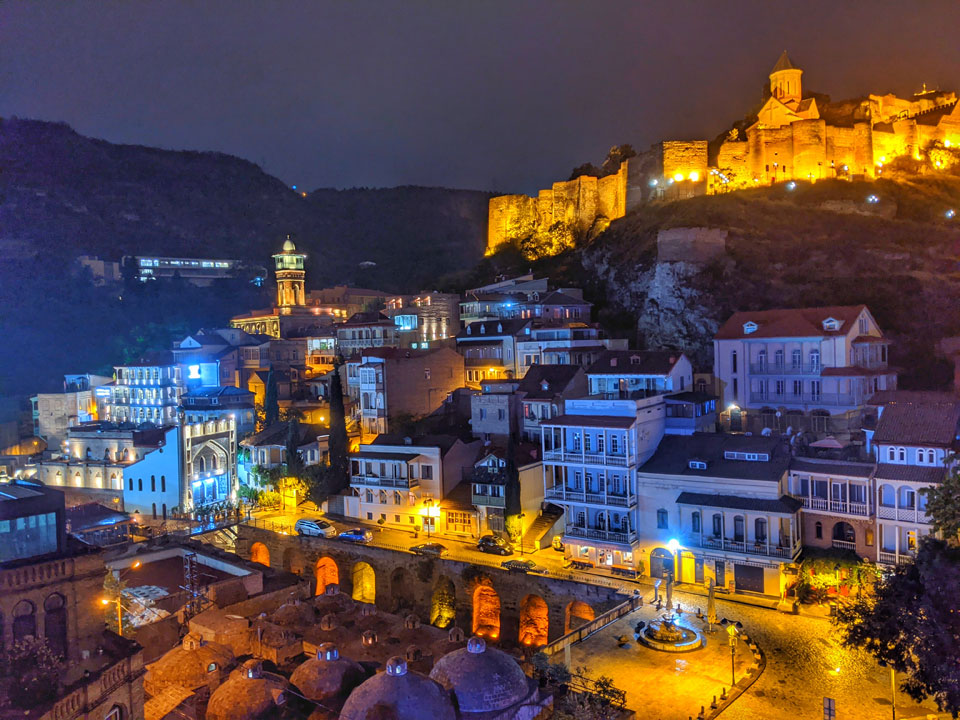
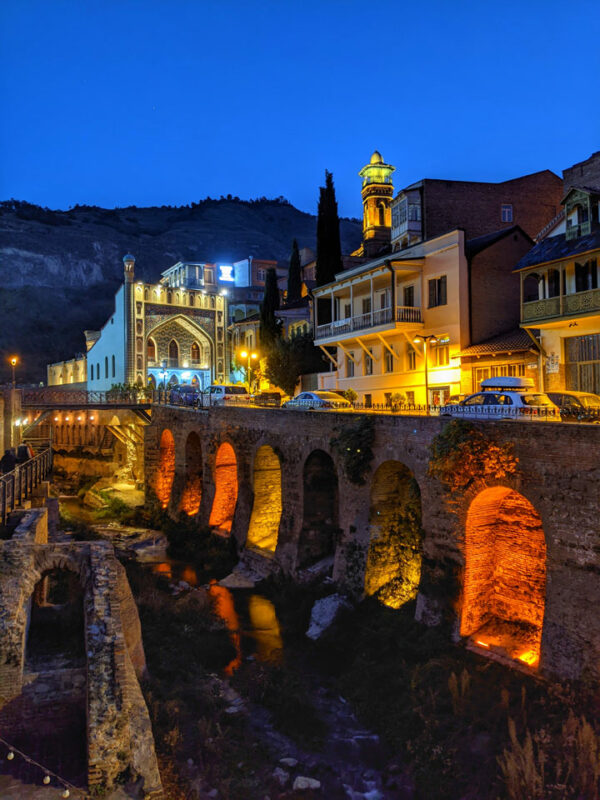
Even if you do not plan to enter a bathhouse, Abanotubani is worth visiting for its historic brick domes, narrow streets and the colorful façade of Chreli Abano, also known as the Orbeliani Baths.
Tbilisi Sulfur Baths: Quick Information
- Location: Abanotubani, Old Tbilisi
- Main street: Abano Street
- Nearest metro station: Avlabari
- Recommended visit duration: 1–1.5 hours
- Booking: Recommended for private rooms
- Typical room rental: Usually charged per room and per hour
- Traditional treatment: Kisa body scrub and soap massage
- Opening hours: Different for each bathhouse
- Best time to visit: Morning, late afternoon or evening
What Are the Tbilisi Sulfur Baths?
The bathhouses of Abanotubani are built above natural thermal springs. Unlike ordinary spas, the water does not need to be heated artificially before reaching the pools.
The distinctive sulfur smell, often compared to boiled eggs, is completely normal and comes from the natural mineral content of the water. Most visitors quickly become accustomed to it once they enter the bathhouse.
The water is traditionally associated with relaxation, softer skin and relief from tired muscles. However, the sulfur baths should be considered a cultural and wellness experience rather than a substitute for medical treatment.
The History of Abanotubani
The Georgian name Abanotubani means “bath district”: abano means bath and ubani means district or neighbourhood.
The hot springs are closely connected with the traditional story of Tbilisi’s foundation. According to the legend, King Vakhtang Gorgasali discovered the warm springs while hunting and decided to establish a city around them.
The name Tbilisi is connected to the Georgian word tbili, meaning warm.
As Tbilisi developed along important trade routes, its bathhouses became more than places for washing. They were social spaces where residents, merchants and travellers met, relaxed and exchanged news.
The low brick domes visible in Abanotubani are not only decorative. They cover the underground bathing rooms and allow heat and steam to escape.
Public Bath or Private Room?
Most first-time visitors choose between a communal public bath and a private room.
Public Sulfur Baths
Public baths are the cheapest and most traditional option. They are normally separated by gender, and visitors share the bathing area with other guests.
Swimwear may not be commonly used in traditional communal sections, so ask the staff about the rules before entering.
Public baths are suitable for solo travelers and visitors looking for a simple, authentic and budget-friendly experience.
Private Sulfur Bath Rooms
Private rooms are rented for your own group, usually for one hour. The advertised price is generally for the entire room rather than for each guest.
A basic private room usually includes:
- A hot sulfur-water pool or bathtub
- A shower
- A changing area
- A toilet
- A stone or tiled massage table
More expensive rooms may also include a cold pool, sauna, lounge area, television or separate massage space.
Private rooms are normally suitable for couples, friends and families travelling together. Guests can usually wear swimwear or bathe without it, depending on their own comfort.
How Much Do the Tbilisi Sulfur Baths Cost?
Prices vary considerably depending on the bathhouse, room size, interior and included facilities.
As a general guide:
- Public or communal bath: Usually the least expensive option and charged per person.
- Basic private room: Commonly around 70–150 GEL per hour for the entire room.
- Larger or upgraded room: Often around 150–250 GEL per hour.
- Luxury or VIP apartment: Approximately 200–600 GEL or more per hour.
- Kisa scrub or massage: Usually charged separately for each person.
These are approximate prices only. Always confirm the current room price, maximum number of guests and included services directly with the bathhouse before booking.
What Is a Kisa Scrub?
The kisa is one of the most memorable parts of the traditional Tbilisi bath experience.
A bath attendant uses a coarse exfoliating mitt to scrub away dead skin. This is normally followed by a covering of soap foam, a brief massage and a rinse with warm water.
The treatment can feel stronger and rougher than a typical spa exfoliation. Tell the attendant in advance when you prefer a gentler scrub.
Kisa treatments and massages are usually not included in the price of the private room. Arrange and pay for them when booking or at the reception desk.
What to Expect During Your Visit
When you arrive, the receptionist will show you the available rooms or direct you to the public section.
A typical private bath visit follows this routine:
- Change your clothes and take a shower.
- Enter the hot sulfur pool gradually.
- Relax in the water for several minutes.
- Take a break and cool down when necessary.
- Receive the optional kisa scrub and soap massage.
- Shower again before getting dressed.
You do not need to remain in the hot water continuously. Take regular breaks, drink water and leave the pool immediately when you feel dizzy, weak or uncomfortable.
One hour is generally enough for a first visit. Book additional time when visiting with a larger group or combining the bath with several treatments.
What Should You Bring?
Bring the following items for a more comfortable visit:
- Swimwear for a private room, if preferred
- Flip-flops or waterproof slippers
- A towel
- Soap and shampoo
- A hairbrush
- A change of clothes
- Drinking water
- A waterproof bag for wet items
Many bathhouses rent or sell towels, slippers and toiletries, but availability and quality vary. Bringing your own items is usually more comfortable and may save money.
Avoid bringing jewellery and unnecessary valuables into the bathing area.
Which Tbilisi Sulfur Bath Should You Choose?
There is no single best bathhouse for every visitor. The right choice depends on your budget, preferred level of comfort and whether you want a public or private experience.
Sulfur Bath No. 5
Bath No. 5 is known for its more traditional atmosphere and public bathing section.
It may appeal to budget travelers and visitors interested in a less luxurious, more local-style experience. Facilities and room categories should be checked directly before visiting.
Chreli Abano – Orbeliani Baths
Chreli Abano is the most famous sulfur bathhouse in Tbilisi, known for its colourful blue-tiled façade. It offers several types of private rooms, traditional kisa scrubs and massage services. It is a good choice for first-time visitors, but advance booking is recommended.
Royal Bath
Royal Bath offers private sulfur-water rooms together with optional kisa scrubs, massages and sauna facilities.
It is suitable for visitors looking for a traditional setting with private-room comfort.
Gulo’s Thermal Spa
Gulo’s is another well-known option in the Abanotubani area. It is often chosen by visitors looking for private rooms and spa-style services.
Before deciding, compare recent photographs, room descriptions, prices and customer reviews. Conditions can differ significantly between basic and premium rooms, even inside the same bathhouse.
Do You Need to Book in Advance?
Advance booking is strongly recommended for private rooms, particularly:
- On Friday and Saturday evenings
- During weekends
- In spring and summer
- During public holidays
- When booking a specific room
- When travelling with a larger group
Some bathhouses offer online reservations, while others accept bookings by telephone or at the reception desk.
Walk-in visits may be possible, but the preferred room category may not be available.
When booking, confirm:
- The total room price
- Whether the price is per room or per person
- The maximum number of guests
- The length of the session
- Whether towels and slippers are included
- The price of the kisa scrub or massage
- Whether card payment is accepted
Sulfur Bath Etiquette
Take a shower before entering the pool and follow any instructions provided by the bathhouse staff.
Public bathing areas are generally separated by gender. Private rooms are reserved for your own party and can normally be used by mixed-gender groups.
Keep conversations at a reasonable volume and do not photograph other guests. Always ask permission before taking photographs inside a bathhouse.
Bath attendants may enter a private room when it is time for a pre-booked scrub or massage. Tell the reception desk when you need additional privacy or prefer an attendant of a particular gender.
Health and Safety Tips
Sulfur pools can be very hot, so enter the water slowly and avoid staying submerged for long periods without a break.
Drink water before and after your session. Avoid alcohol immediately before or during the bath, as the combination of heat and alcohol can increase the risk of dehydration, dizziness and fainting.
Pregnant travellers and people with heart conditions, blood-pressure problems or other significant health concerns should consult a medical professional before using very hot pools or saunas.
Do not enter when you have an infectious illness, fever, open wound or contagious skin condition.
Leave the water immediately when you experience dizziness, nausea, difficulty breathing, unusual weakness or a rapid heartbeat.
How to Get to the Tbilisi Sulfur Baths
The sulfur baths are located along Abano Street in Abanotubani, below Narikala Fortress and close to Meidan Square.
On Foot
Abanotubani is easily reached on foot from many parts of Old Tbilisi.
From Meidan Square, walk towards the colorful Chreli Abano building and the brick bathhouse domes. The route is short and mostly flat.
By Metro
Avlabari is the closest metro station. From the station, walk towards Metekhi Bridge, cross the river and continue through Meidan Square to Abanotubani.
The walk normally takes around 10–15 minutes.
By Taxi
Enter the name of your selected bathhouse into the taxi application rather than searching only for “sulfur baths.”
Useful destinations include:
- Chreli Abano
- Abanotubani
- Sulfur Bath No. 5
- Royal Bath
- Gulo’s Thermal Spa
Traffic and parking can be difficult in Old Tbilisi, so the driver may stop a short walk from the entrance.
What to See Near Abanotubani
Combine your sulfur bath visit with several nearby Old Tbilisi attractions:
- Leghvtakhevi Waterfall
- Narikala Fortress
- Meidan Square
- Metekhi Church
- Rike Park
- The Bridge of Peace
- The National Botanical Garden of Georgia
The entrance to Leghvtakhevi Gorge begins beside the bath district and leads along a short walkway to a small waterfall.
Best Time to Visit
The sulfur baths operate throughout the year.
Autumn and winter are especially atmospheric because the hot water contrasts with the cool weather. Summer visits can still be enjoyable, but a hot bath may feel less comfortable during the warmest part of the day.
Morning visits are usually quieter. Evening sessions are popular and should be reserved in advance.
Each bathhouse has its own opening hours. Do not assume that every sulfur bath is open 24 hours.
Frequently Asked Questions
Are the Tbilisi sulfur baths worth visiting?
Yes. They combine relaxation with an important part of Tbilisi’s history and local culture. Even visitors who do not enter a bathhouse should walk through Abanotubani to see the brick domes and historic architecture.
Do the sulfur baths smell?
Yes. Natural sulfur water has a noticeable smell similar to boiled eggs. This is normal and most visitors become used to it quickly.
Can couples use the same room?
Yes. Couples and mixed-gender groups can normally rent a private room together.
Do I need to be naked?
In a private room, you can normally wear swimwear or bathe without it. Traditional public sections may have different rules and are normally separated by gender.
How long should I book?
One hour is usually sufficient for two people. Consider booking longer when visiting with a group or adding several spa treatments.
Is the kisa scrub included?
Usually not. Scrubs and massages are commonly charged separately for each guest.
Can I visit without a reservation?
Walk-in visits may be possible, but advance booking is recommended for private rooms, weekends and evening sessions.
Are the sulfur baths open 24 hours?
Not all of them. Every bathhouse has its own opening hours, and schedules may change. Check directly with your selected bathhouse before travelling.
Can children enter the sulfur baths?
Policies vary between bathhouses. Very hot pools are not suitable for small children, and families should check age restrictions and water temperature before booking.
Final Travel Tip
For a first visit, book a private room for at least one hour and add the traditional kisa scrub. Bring your own flip-flops, towel and drinking water, and arrive around 10–15 minutes before your reserved time.
The Tbilisi sulfur baths are not simply another spa attraction. They are part of the history, identity and everyday culture of the city, making Abanotubani one of the most memorable places to experience in Old Tbilisi.