
Tbilisi Opera and Ballet Theatre

One of the most impressive cultural landmarks

Tbilisi Opera and Ballet Theatre

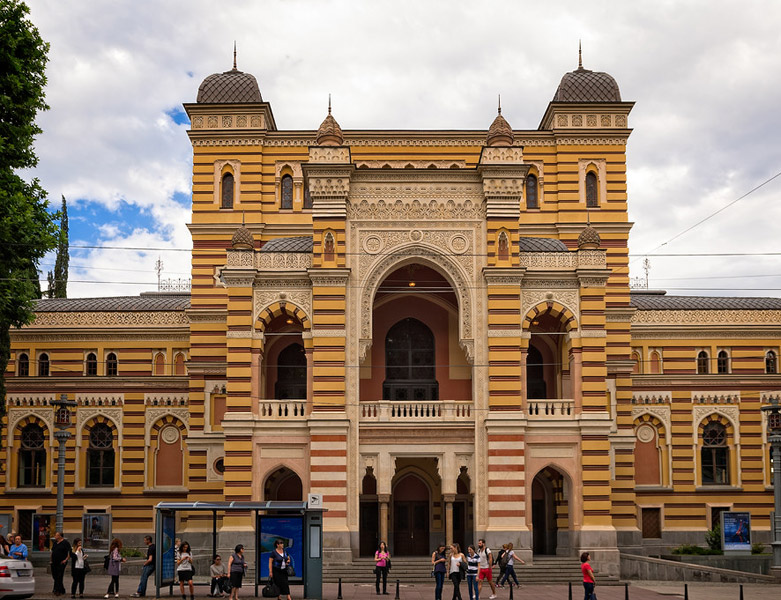
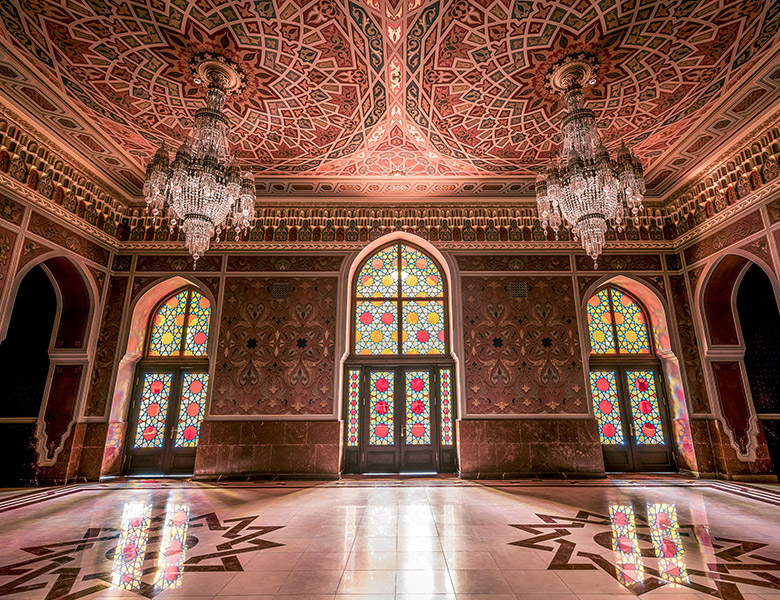
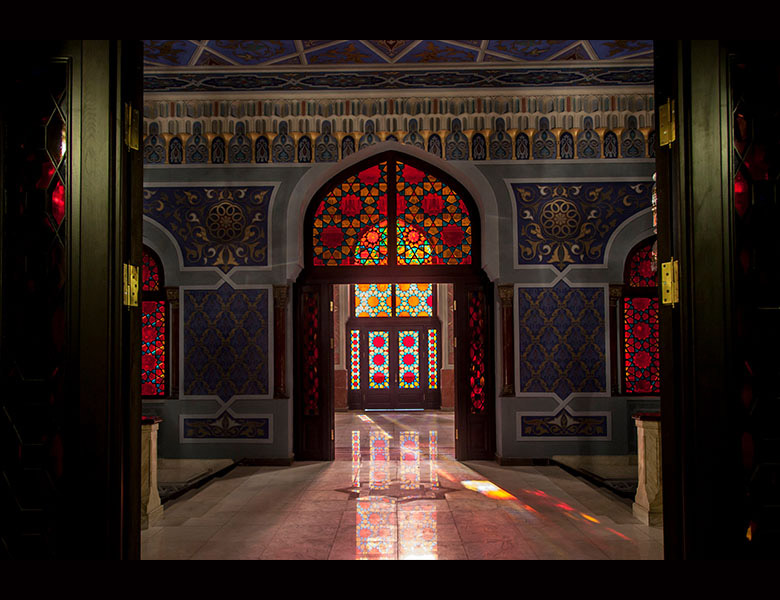
The Tbilisi Opera and Ballet Theatre is one of the most impressive cultural landmarks on Rustaveli Avenue. Its ornate Moorish Revival façade, richly decorated interior and long artistic history make it worth seeing even for travellers who do not usually attend opera or ballet.

Officially named the Tbilisi Zakaria Paliashvili Opera and Ballet State Theatre, the venue presents Georgian and international operas, classical ballets, contemporary productions, concerts and special cultural events.

Quick Information

  • Official name: Tbilisi Zakaria Paliashvili Opera and Ballet State Theatre
  • Address: 25 Shota Rustaveli Avenue, Tbilisi
  • Box office: Daily, 11:00–19:00
  • Box-office break: 14:00–15:00
  • Ticket prices: Depend on the production and selected seat
  • Dress code: Required; shorts are not permitted
  • Recommended arrival: At least 20–30 minutes before the performance
  • Nearest metro station: Rustaveli
  • Telephone: +995 32 2 00 44 66

Opening hours, performance policies and schedules may change. Check the information attached to your chosen event before visiting.

Why Visit the Tbilisi Opera and Ballet Theatre?

The theatre is both an active performance venue and one of Tbilisi’s most distinctive architectural monuments.

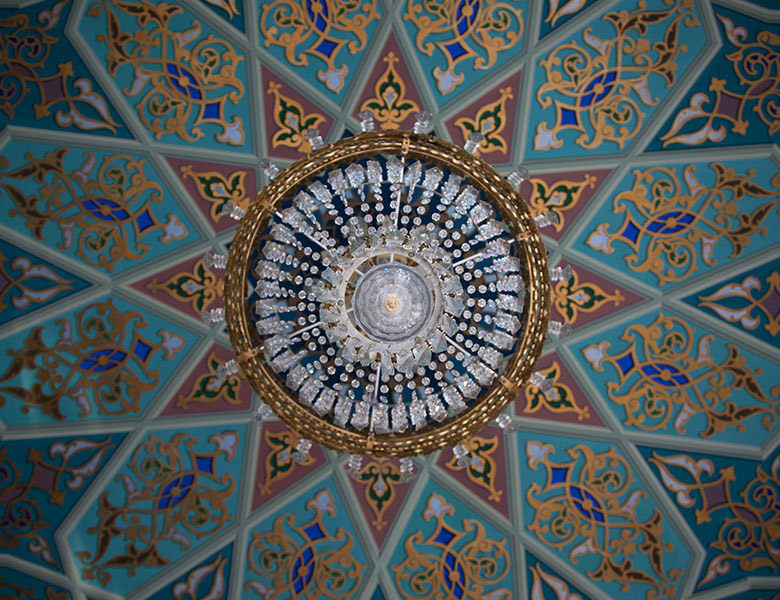
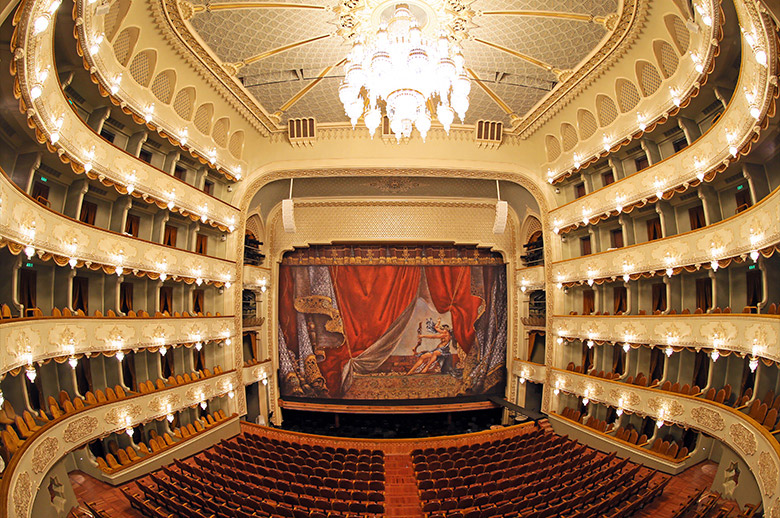
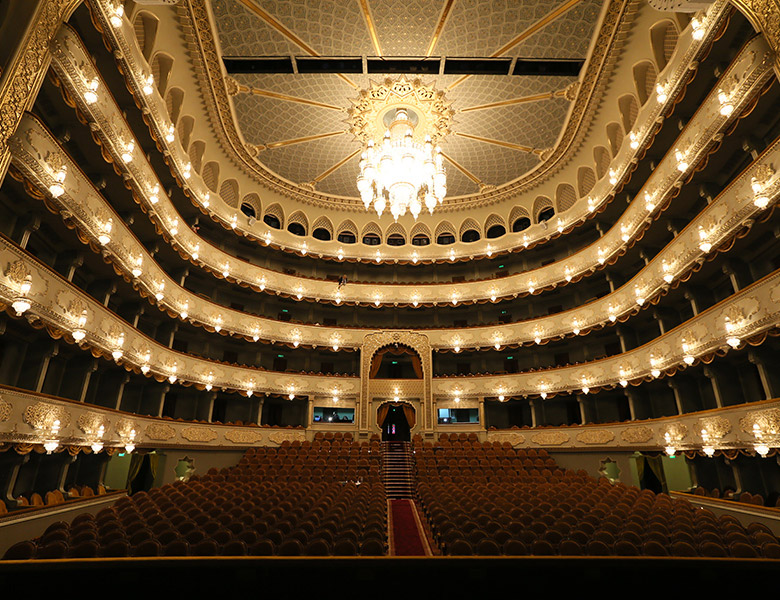
Its exterior stands out from the classical and Soviet-era buildings lining Rustaveli Avenue. Inside, visitors encounter decorated balconies, elaborate patterns, chandeliers and a historic auditorium designed to create a suitably grand setting for opera and ballet.

Attending a performance is the best way to experience the interior. The building does not operate as a regular walk-in museum, and access to its main spaces may be limited outside scheduled performances.

The theatre is particularly recommended for:

  • Architecture lovers
  • Opera and classical music enthusiasts
  • Ballet fans
  • Couples looking for an evening activity
  • Travellers interested in Georgian culture
  • Visitors searching for something to do in Tbilisi at night

History of the Tbilisi Opera and Ballet Theatre

Tbilisi’s opera tradition began in 1851, when the first opera theatre in Transcaucasia opened in the city. The original Caravansarai Theatre accommodated approximately 800 spectators and became an important part of Tbilisi’s rapidly developing cultural life.

That first building was destroyed by fire in 1874. For the following 22 years, opera performances were held at the city’s Summer Theatre.

The present Opera and Ballet Theatre building opened on 3 November 1896. Designed by architect Victor Schröter, its auditorium originally accommodated around 1,200 spectators. The building’s Oriental and pseudo-Moorish architectural style continues to distinguish it from other major theatres in Europe.

The development of Georgian national opera accelerated in the early 20th century. Several important Georgian works were staged in 1919, including Zakaria Paliashvili’s Abesalom and Eteri. This year is widely regarded as a defining moment in the history of Georgian national opera.

Since 1937, the theatre has carried the name of Zakaria Paliashvili, one of Georgia’s most important classical composers. Abesalom and Eteri traditionally holds a special place in the theatre’s repertoire.

Fires, Restoration and Reopening

A second major fire in 1973 destroyed much of the theatre’s interior, together with costumes, stage decorations, archive materials and the famous stage curtain created by Georgian artist Sergo Kobuladze.

The building was restored and reopened in 1978 while preserving its characteristic Eastern and Moorish-inspired appearance.

Another extensive renovation began in 2010. During the six-year project, the building’s foundations, roof, interior decoration, stage machinery, rehearsal spaces and technical equipment were renewed. Sergo Kobuladze’s lost stage curtain was also recreated.

The theatre officially reopened on 30 January 2016 with a performance of Abesalom and Eteri.

Today, the theatre is a member of Opera Europa and forms part of the European Route of Historic Theatres.

Opera and Ballet Performances

The programme normally includes a combination of:

  • Georgian national operas
  • Italian and European opera classics
  • Classical ballets
  • Contemporary choreography
  • Symphonic and gala concerts
  • Visiting artists and international productions
  • Seasonal festivals and special performances

The repertoire and schedule change throughout the season. Popular ballets and major opera productions can sell out, so booking in advance is recommended.

Tickets and Seating

Tickets can be purchased from the theatre’s box office or through the official online ticketing partner. View the current programme and available seats on the TKT.GE Opera page.

Prices depend on the production, date and location of the seat. Less expensive seats may still provide a good view, but visitors should examine the seating plan carefully before completing an online purchase.

Keep the electronic ticket or a screenshot accessible on your phone. Arrive early enough to find the correct entrance, pass ticket control and locate your seat without rushing.

Latecomers may not be admitted to the auditorium until the first interval.

Dress Code

The theatre officially states that a dress code is required, and shorts are not allowed. Visitors do not necessarily need formal evening wear, but smart-casual clothing is the safest choice.

For example, trousers or a suitable dress combined with a shirt, blouse, jacket or neat top should be appropriate for most performances. Avoid beachwear, shorts and excessively casual clothing.

Individual performances may include additional attendance rules, so always check the information shown on the ticket page.

Performances and Language

Operas are normally performed in the language in which they were composed. Georgian productions may be performed in Georgian, while international works may use Italian, French, German or another original language.

The availability and language of projected surtitles can vary between productions. If understanding the complete story is important to you, check the event description or contact the theatre before purchasing tickets.

Visiting With Children

Age restrictions may vary according to the production and performance time. Theatre notices commonly state that children under six are permitted only at daytime performances.

Parents should check the exact policy listed for their selected event before booking. Even when children are admitted, longer operas may not be suitable for very young visitors.

How to Get There

By Metro

Rustaveli Metro Station is the closest metro stop. From the station, walk southeast along Rustaveli Avenue for approximately 8–10 minutes.

Liberty Square Metro Station is farther away but can also be used if you are already exploring the lower section of Rustaveli Avenue or Freedom Square.

For fares, payment cards and other transport options, read the guide to public transport in Tbilisi.

By Bus

Numerous municipal buses travel along or near Rustaveli Avenue. Routes can change because of roadworks, traffic restrictions or public events, so check a live journey-planning application before travelling.

By Taxi

Enter “Tbilisi Opera and Ballet Theatre” or “25 Shota Rustaveli Avenue” as your destination. Allow additional travel time during evening traffic and large public events in the city centre.

What to See Nearby

The theatre is located within one of the best areas of Tbilisi for museums, architecture and cultural attractions.

Nearby places include:

A good plan is to explore Rustaveli Avenue in the afternoon, have an early dinner nearby and attend an evening performance at the opera house.

Is the Tbilisi Opera and Ballet Theatre Worth Visiting?

Yes. It is one of Tbilisi’s finest architectural landmarks and one of the most memorable places to attend a cultural performance in Georgia.

Even if you do not have time for a performance, the Moorish-inspired exterior is worth seeing while walking along Rustaveli Avenue. However, purchasing a ticket provides the best opportunity to appreciate the theatre’s decorated interior and historic atmosphere.

FAQ

Where is the Tbilisi Opera and Ballet Theatre?

The theatre is located at 25 Shota Rustaveli Avenue in central Tbilisi. Rustaveli is the nearest metro station.

Can I enter the theatre without attending a performance?

The theatre is not normally operated as a walk-in museum. Public access to the auditorium and other main interior spaces may be restricted outside scheduled performances. Ask the box office about current access arrangements.

Where can I buy tickets?

Tickets can be purchased at the theatre’s box office or online through TKT.GE. Booking ahead is recommended for popular productions.

What are the box-office opening hours?

The official theatre website currently lists daily opening hours of 11:00–19:00, with a break from 14:00 to 15:00.

Is there a dress code?

Yes. The theatre states that a dress code is required and shorts are not permitted. Smart-casual clothing is a suitable choice for most visitors.

How early should I arrive?

Arrive approximately 20–30 minutes before the scheduled starting time. Latecomers may have to wait until the first interval before entering the auditorium.

Are performances in English?

Not necessarily. Operas are usually performed in Georgian or in their original language. The availability of English surtitles depends on the production and should be checked before booking.

Is the theatre suitable for children?

It depends on the performance. Age restrictions can vary, and children under six may be admitted only to daytime performances. Check the individual event rules before purchasing ticketsa

Box office: Daily, 11:00–19:00 Box-office break: 14:00–15:00 Dress code is necessary

What are you interested in? Discover something nice

What are you interested in? Discover something nice