

Georgian National Museum
Georgian National Museum
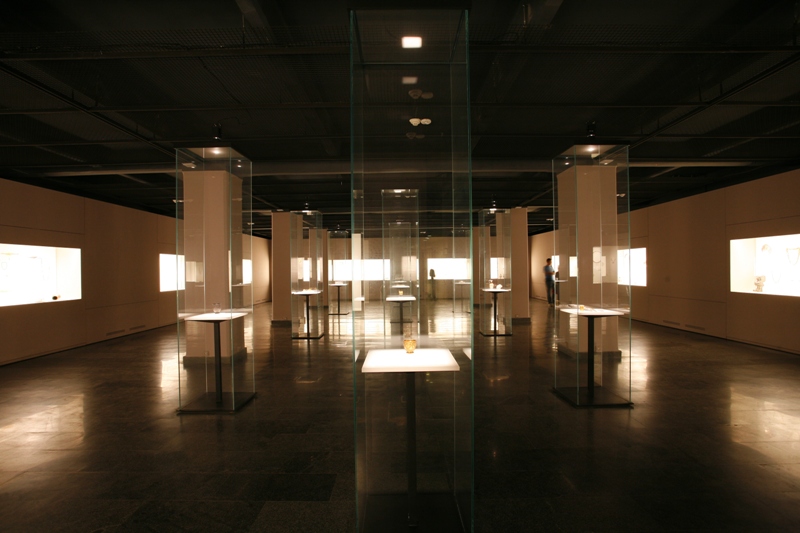
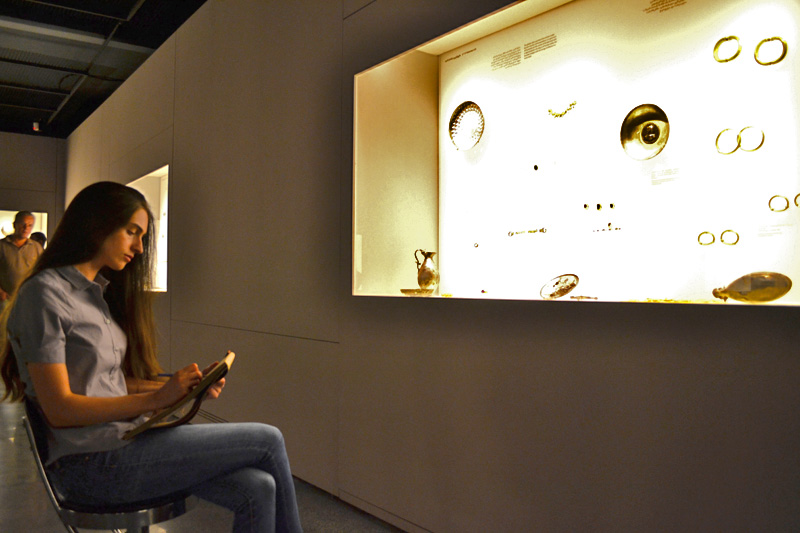
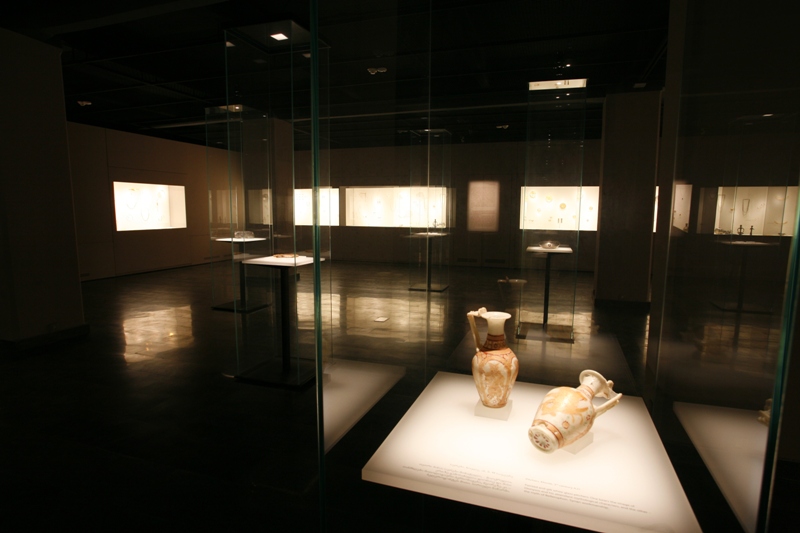
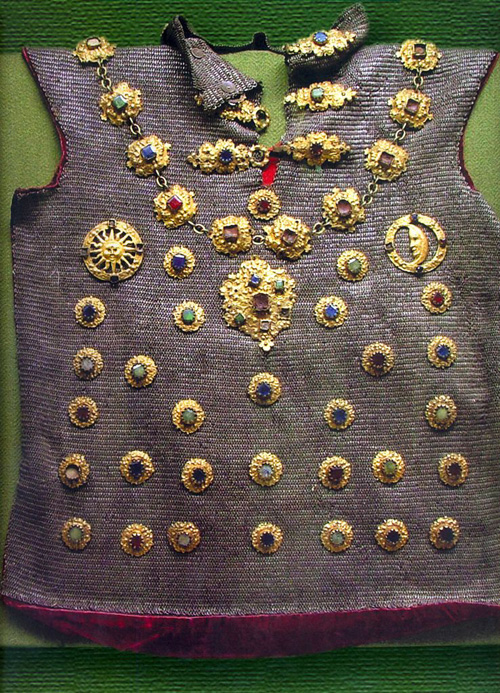
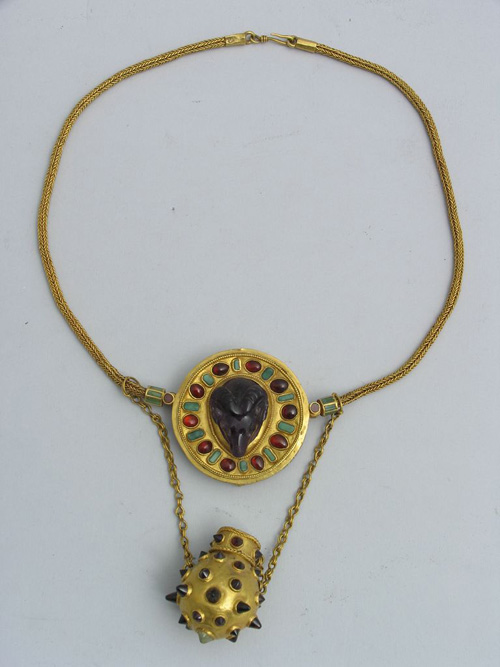
Oldest of Georgia operates as a scientific-educational institution that preserves and exhibits a unique collection of natural and human history. The collections of the museum cover the history of the country, starting from animal re-parents dated back to 40 million years. One of the most amazing artifacts at the museum is the prehistoric human re-parents found in Dmanisi which date back to 1.8 million years and are oldest sign of human existence outside of Africa. Most importantly collections of the museum is the collection of Treasures that contains a big number of unique objects from the second half of the III millennium B.C. through XIX c. A.D. The collection features gold and silver artifacts and jewelry from the pre-Christian period from various regions of the country: Ananuri, Tsnori, Vani, Mtskheta,Tialeti Kurgans, Zhinvali, Akhalgori, Martkopi, etc.
Price:
- ADULTS – 30 GEL (Prices vary according to a museum)
- STUDENTS – 15 GEL
Free to:
- Children under 6 years
- ICOM members
- Friends of Museum (become a member)
- Museum employees
- People with special needs and for their accompanying persons
- Georgian and foreign journalists
Note: visitors receiving special benefits or free admission privileges should present relevant documents
Guided Tours
- Foreign Languages (reviewing tour, approximately 1 hour) – 80 GEL
- Foreign Languages (extensive tour, 1,5-2 hours) – 100 GEL
- Exclusive tour (booking in advance) – 300 GEL
Guided tours are available in Georgian, English, German and Russian languages.
Cloakroom service is free for the following items:
- Coats and jackets
- Umbrellas
- Travelling bags and backpacks
- Motorcycle/bicycle helmets
- Musical instruments
Handbags (maximum size A3) can be brought into the museum. In case of questionable items, a decision will be made by authorized personnel.
Following items cannot be checked:
- Money, documents, and identification documents
- Check cards and credit cards
- Valuables
- Handbags
As a result of violating the aforementioned policy, the Georgian National Museum is not responsible for the loss or damage of any items. Visitors should collect their belongings by the end of the working day. After the museum closes all the items left behind are considered lost.
Recommendations and Regulations:
- The last entrance tickets are sold 30 minutes prior the end of working day. Visitors should leave exhibition halls 10 minutes before the museum closes.
- Children (under 12) should be accompanied by parents or authorized persons
- Parents, teachers, nurses, and group supervisors are responsible for children’s actions
- Running, smoking, and excessive noise are prohibited in the museum. Parents are asked not to carry small children on their shoulders.
- Eating and drinking is allowed only in the cafe or the yard terrace of the museum
- Each member of the group should stay nearby the authorized supervisor
- Copying art works in exhibition hall without authorization from the museum administration is prohibited
- Visitors must keep their tickets until the end of the visit
- The following items are prohibited in any part (social or exhibition) of the Georgian National Museum: chemical and toxic substances; firearms and weapons; food and plastic bottles; sharp, overweight, or oversized items; other art works, art work reproductions, or casts; scooters, skateboards, or bicycles; pets and animals.
Photo and Video Shooting
- Taking photos of the museum building and permanent exhibitions for personal purposes are allowed without using flash and tripods
- Photo and video are strictly prohibited at temporary exhibitions
- Photography for commercial purposes is subject to prior negotiation and written permission issued by the museum administration and communications department
- Taking photo or video featuring GNM employees is a subject of prior negotiation with the museum administration
Access help for people with disabilities
The GNM offers various museums with the special facilities to make your visit more enjoyable. If you have any enquiries regarding facilities and services for disabled people, please contact us by telephone + (995 32) 299 80 22. Entry to the Museum is free and people with disabilities are entitled to free admission to all the Georgian National Museum exhibitions.
Shop
After the exhibition, you can visit our stores with your friends and family members. Purchase beautiful jewelry, accessories, great books, postcards and more, all inspired by the GNM’s collection. Stores are available at: Museum of Georgian History, National Gallery, Museum of Fine Arts and Sighnaghi Museum.